


-

Add: HeBei ShengShi HongBang Cellulose Technology CO.,LTD.
-

Email
13180486930@163.com -

CONTACT US
+86 13180486930



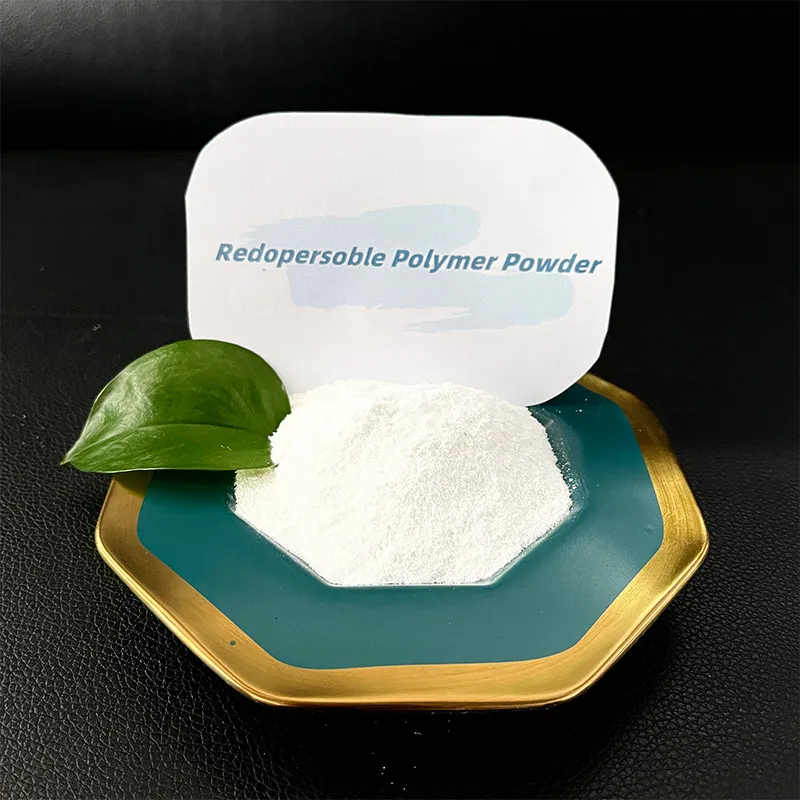
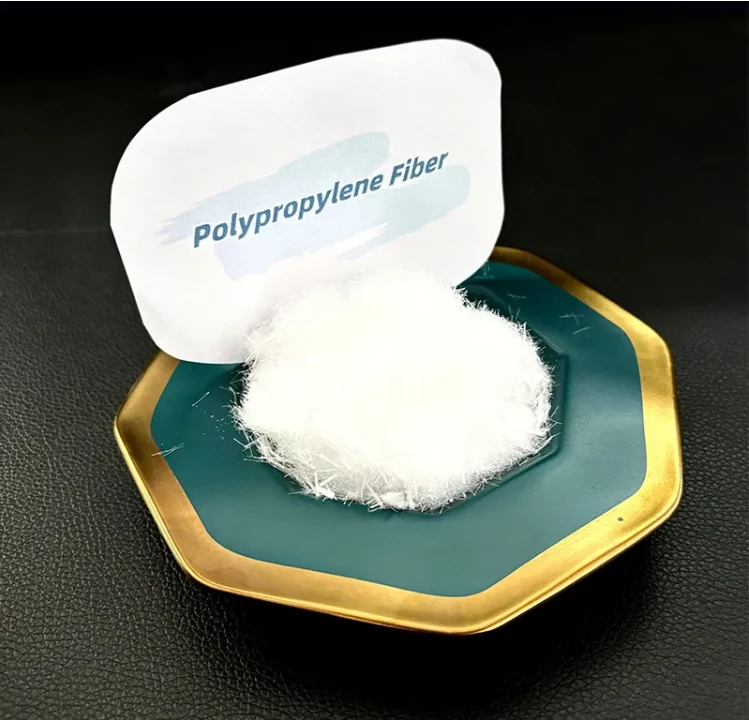
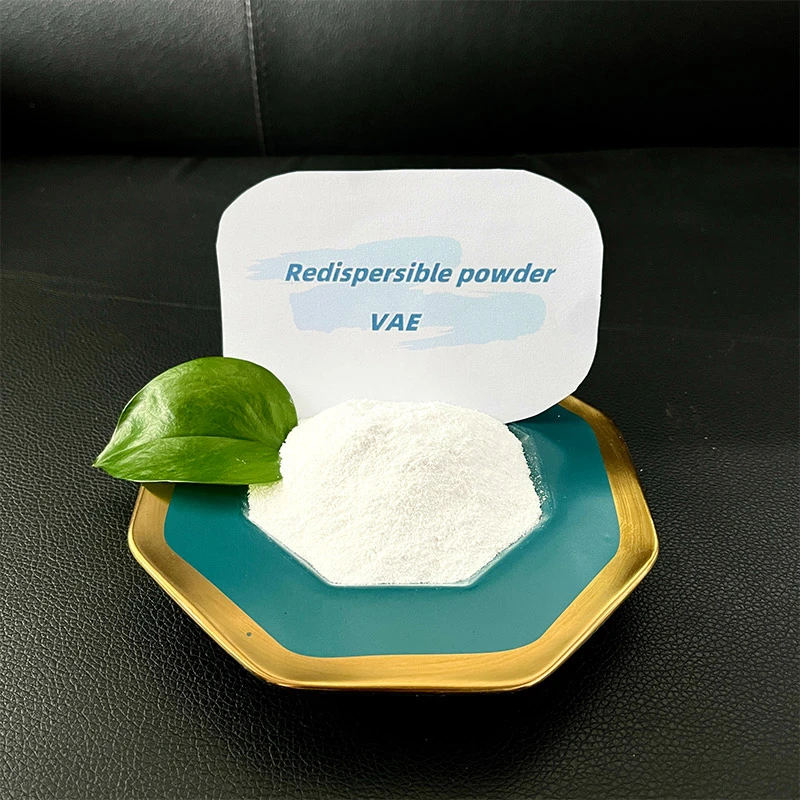


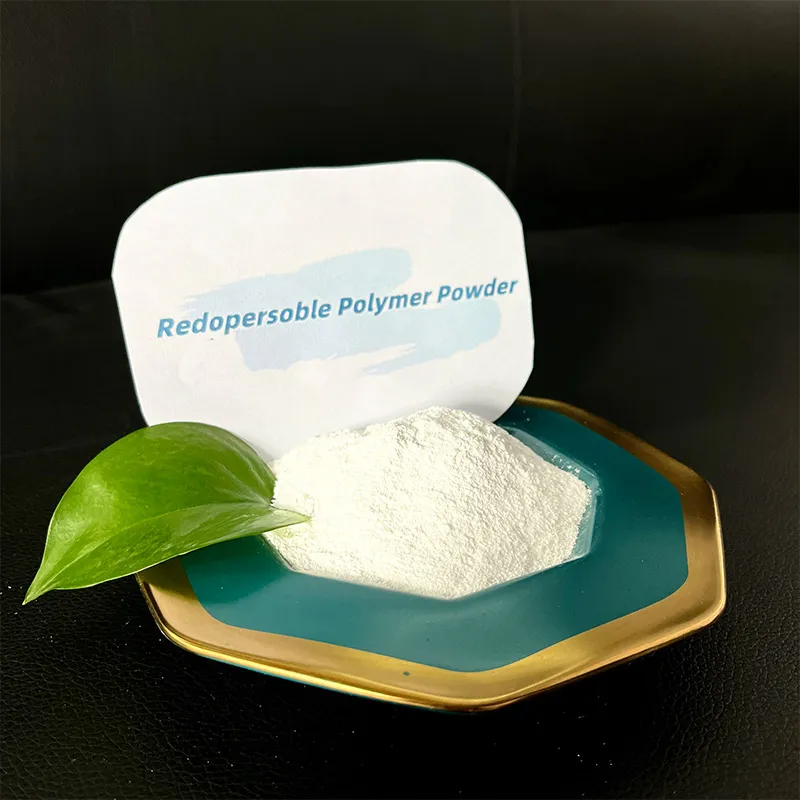
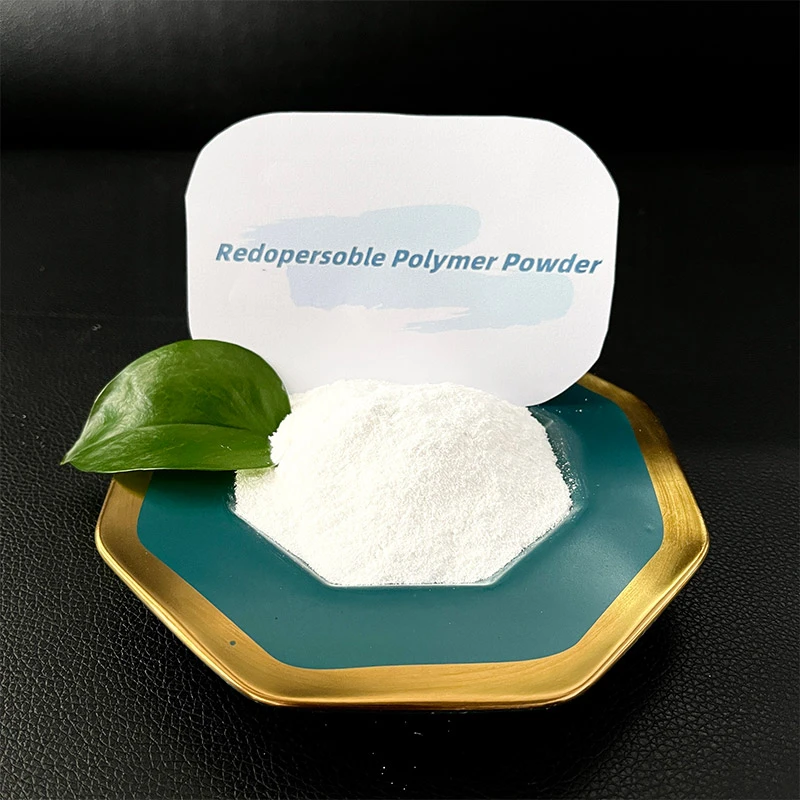
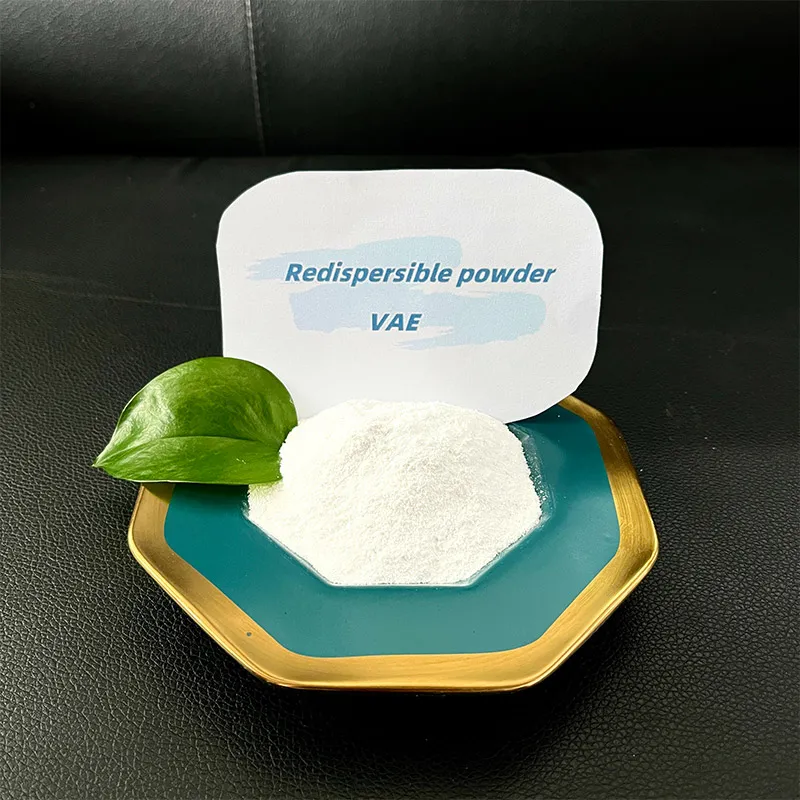
Redispersible Emulsion Powder is a key solution in the chemical industry industry, specifically within fine chemicals and Building Chemicals. This article explores how HeBei ShengShi HongBang Cellulose Technology CO.,LTD. supports professionals with durable, high-performance products, and explains why this product is an ideal choice for businesses in these sectors. Table of Contents Redispersible Emulsion Powder Overview Benefits & Use Cases of Redispersible Emulsion Powder in Building Chemicals Cost, Maintenance & User Experience Sustainability & Market Trends in chemical industry Conclusion on Redispersible Emulsion Powder from HeBei ShengShi HongBang Cellulose Technology CO.,LTD. Redispersible Emulsion Powder Overview Redispersible Emulsion Powder (often called redispersible latex powder, VAE redispersible powder, or simply redispersible powder) is a free‑flowing polymer powder produced by spray-drying a waterborne emulsion—most commonly a vinyl acetate–ethylene (VAE) copolymer stabilized with a protective colloid. When mixed with water in dry-mix mortars, the polymer re-forms a latex that coalesces into a tough, flexible film within the cement or gypsum matrix. This boosts adhesion, flexibility, crack resistance, abrasion resistance, and overall durability in Building Chemicals such as tile adhesives, renders, ETICS basecoats, self-leveling underlayments, and repair mortars. Relevance: In the chemical industry’s fine chemicals segment, Redispersible Emulsion Powder is a functional binder enabling consistent, job-site friendly dry-mix systems with improved open time, workability, and long-term performance. Technical background: Key levers include polymer glass transition (Tg) and minimum film-forming temperature (MFFT), particle size distribution for fast wetting, and compatibility with cement hydrates and calcium ions—crucial for adhesion and flexibility balance in mortars. Reliable source: HeBei ShengShi HongBang Cellulose Technology CO.,LTD. manufactures application-focused polymer powder grades and provides formulation support to align performance with standards common to tile adhesives, renders, and gypsum-based systems. Benefits & Use Cases of Redispersible Emulsion Powder in Building Chemicals In Building Chemicals, Redispersible Emulsion Powder is the go-to organic binder for high-performance dry-mix products. It enhances adhesion to cementitious and mineral substrates, raises deformability for crack mitigation, and improves water resistance without compromising workability. Typical applications include cementitious tile adhesives and grouts, ETICS/EIFS adhesive and basecoat mortars, skim coats, gypsum plasters, self-leveling compounds, flexible waterproofing slurries, and patching mortars. By selecting the right VAE grade, formulators can tailor open time, tensile adhesion after heat and water immersion, slip resistance, and smooth troweling. Applications: C1/C2 tile adhesives, thermal insulation systems (ETICS), interior skim coats, gypsum jointing, and self-leveling underlayments (SLUs) benefit from robust polymer film formation and cohesion within the mortar matrix. Advantages: Strong adhesion on low-absorbent tiles, improved flexibility and crack-bridging, better wet adhesion and aging resistance, low VOC profile, easy dosing and storage compared with liquid latex. Expertise: HeBei ShengShi HongBang Cellulose Technology CO.,LTD. combines polymer powder know-how with complementary cellulose ethers for synergistic water retention, workability, and anti-sag behavior—helping B2B partners streamline formulations and scale reliably. Explore product details at the product page . Cost, Maintenance & User Experience Total cost of ownership with Redispersible Emulsion Powder is driven by logistics, dosing efficiency, and field reliability. Compared with liquid latex, polymer powder ships without added water, helping reduce freight and eliminating freeze–thaw risk and drum handling. It enables one-bag dry-mix solutions, simplifying inventory and job-site preparation. With appropriate addition levels selected via ladder trials, formulators can balance adhesion, flexibility, and cost-in-use while lowering the risk of callbacks due to slip, poor wet adhesion, or cracking. Durability and ROI: Strong polymer film formation supports long-term adhesion and cohesive strength, contributing to fewer repairs and a better lifecycle ROI in tile setting, ETICS, and floor leveling systems. User experience: B2B users value consistent wetting, free-flowing powder, and predictable workability. Best practices include storing in dry conditions, adding to the dry blend before water, and piloting 1–3+% addition levels (application-dependent) to fine-tune performance vs. cost. Sustainability & Market Trends in chemical industry Sustainability is reshaping Building Chemicals. Redispersible Emulsion Powder supports low-VOC, waterborne formulations and enables dry-mix products with efficient transport and storage—reducing water weight moved through the supply chain. As regulations tighten around emissions and material transparency, the shift toward high-performance, lower-emission mortars and plasters accelerates, especially in energy-efficient envelope systems like ETICS. Parallel trends—industrialized construction, prefabrication, and consistent job-site quality—favor powder binders that deliver reproducible results. Regulatory and growth dynamics: Green building codes, voluntary certifications, and demand for durable, low-maintenance façades are expanding the use of polymer-modified mortars. Forward-thinking supplier: HeBei ShengShi HongBang Cellulose Technology CO.,LTD. emphasizes formulation efficiency and compatibility—pairing redispersible latex powder with cellulose ethers for lower dosage targets and dependable performance, aligning with the industry’s eco-conscious direction. Conclusion on Redispersible Emulsion Powder from HeBei ShengShi HongBang Cellulose Technology CO.,LTD. For B2B decision makers in the chemical industry’s fine chemicals and Building Chemicals sectors, Redispersible Emulsion Powder is a practical, high-impact binder that elevates mortar performance, consistency, and logistics efficiency. HeBei ShengShi HongBang Cellulose Technology CO.,LTD. delivers dependable polymer powder solutions and technical support to accelerate formulation success—whether you’re optimizing tile adhesives, ETICS systems, or floor products. Contact us: email: 13180486930@163.com — Visit our website: https://www.sshbhpmc.com
- 40000tons

Production
- 20+years

Experience
- 5000+㎡

Acreage

-

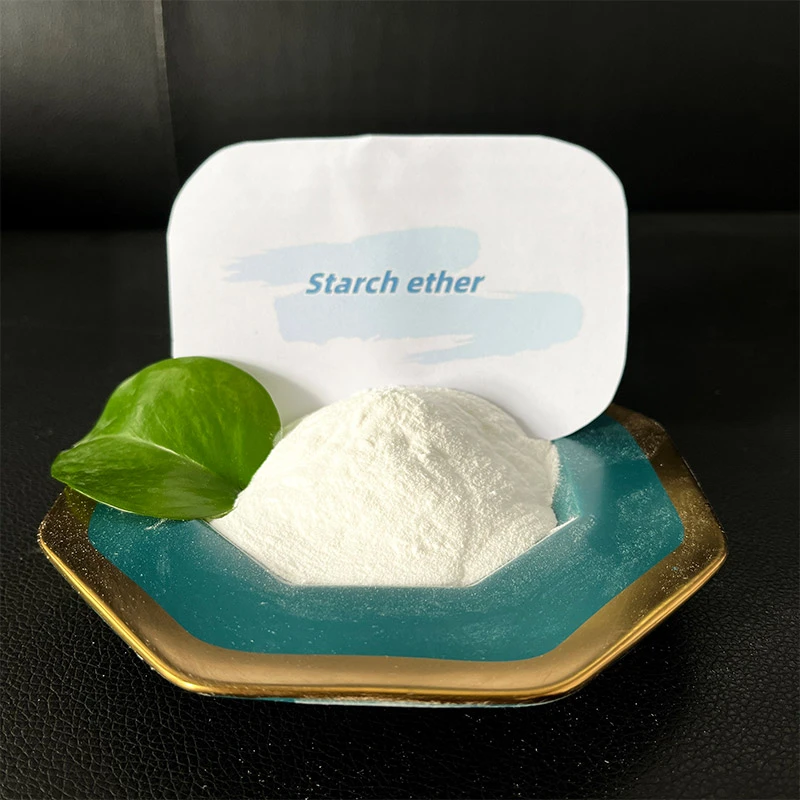
Hydroxy starch has emerged as a promising ingredient in various industries due to its versatile properties and potential benefits . Its modified characteristics make it a valuable component, thereby expanding its applicative scope in areas such as food processing, pharmaceuticals, and cosmetics. Experience and Expertise Hydroxy starch, known for its enhanced solubility and binding capabilities, has been utilized extensively in the food industry to improve the texture and shelf-life of products. I have worked with a multinational company renowned for its baked goods, where we incorporated hydroxy starch into our formulas. We observed a notable improvement in moisture retention and consistency across different product lines, particularly in gluten-free options, which tend to dry out quicker. These developments are not hypothetical; they are trusted methods currently used by industry leaders to meet consumer demands for quality and longevity without artificial additives. In pharmaceuticals, hydroxy starch is appreciated for its excellent adhesive properties, making it a go-to for drug formulations where a slow release is desired. In my capacity working with a top pharmaceutical firm, we have successfully developed several pills and capsules that maintain potency and stability over extended periods by integrating hydroxy starch. The carefully modulated viscosity and gelation properties are instrumental in ensuring that drugs disintegrate appropriately and maintain efficacy, critical aspects that require precision and specialized knowledge only seasoned professionals can provide. Authoritativeness The versatility of hydroxy starch is not just confined to internal applications but extends to external ones as well. Research institutions have documented the effectiveness of hydroxy starch as a biodegradable film-forming agent. Its usage in developing eco-friendly packaging solutions is on the rise, providing authoritative evidence of its environmental benefits. Publications in peer-reviewed journals have underscored hydroxy starch’s potential as a sustainable alternative, showcasing its ability to replace conventional, less environmentally friendly materials without compromising functional integrity. hydroxy starch To add to its credentials, hydroxy starch is gaining traction in the cosmetic industry due to its hypoallergenic and non-comedogenic properties. Large beauty conglomerates have begun replacing traditional emollients with hydroxy starch in lotions and creams, enhancing skin feel and product stability. Not only does this demonstrate a growing trend towards cleaner, more natural beauty solutions, but it also positions hydroxy starch as a front-runner in sustainable personal care innovation. Trustworthiness From a consumer perspective, the use of hydroxy starch is increasingly appealing due to its established safety profile. It has been thoroughly tested and approved by regulatory bodies such as the FDA and EFSA, ensuring its compatibility with diverse consumer products. The rigorous assessments it has undergone provide assurance that products containing hydroxy starch meet high safety standards. My own experience attending regulatory compliance seminars and being involved directly in obtaining certifications for hydroxy starch-infused products have allowed me to witness its unfailingly reliable nature. Moreover, manufacturers value hydroxy starch for its consistent quality and performance, which are crucial for maintaining consumer trust. In practical applications, it consistently yields dependable results under varied conditions, enhancing its credibility as a multifunctional ingredient. Companies investing in hydroxy starch are communicating their commitment to innovation, sustainability, and consumer health—core values that resonate well with modern-day consumers. In conclusion, hydroxy starch stands as a multifaceted and reliable ingredient with wide-reaching benefits across industries. Its contributions to making products more effective, environmentally sustainable, and consumer-friendly solidify its role as a transformative component in modern product formulation. Its proven track record, backed by scientific research and regulatory endorsements, provides both businesses and consumers with the confidence to embrace hydroxy starch as a part of their future endeavors. Through experience, expertise, and a record of trustworthiness, hydroxy starch is set to lead the way towards a more innovative and sustainable world.
-
The Versatile Uses of Hydroxypropyl Methylcellulose Hydroxypropyl methylcellulose (HPMC) is a synthetic polymer derived from cellulose, a natural polymer found in the cell walls of plants. As a non-ionic, water-soluble substance, HPMC exhibits a range of properties that make it valuable across various industries, including pharmaceuticals, food, construction, and cosmetics . This article explores the diverse uses of hydroxypropyl methylcellulose and its significance in modern applications. Pharmaceutical Applications In the pharmaceutical industry, HPMC is primarily used as a thickening agent, binder, and film-forming agent in tablet formulations. Its ability to form gels when mixed with water makes it ideal for creating controlled-release drug formulations. This property is particularly beneficial for medications that require a gradual release of active ingredients over an extended period, enhancing therapeutic effects while minimizing side effects. HPMC is also widely used in ophthalmic preparations. Eye drops, gels, and ointments formulated with HPMC provide moisture retention and lubricating effects, which are essential for treating dry eye conditions and ensuring comfort in contact lens wearers. Additionally, HPMC assists in stabilizing emulsions and suspensions, ensuring consistent dosage delivery. Food Industry Applications The food industry reaps the benefits of HPMC for its thickening, emulsifying, and gelling properties. It is commonly used in low-fat and gluten-free products as a fat replacer and to improve texture and mouthfeel. HPMC enhances the consistency of sauces, dressings, and gravies, providing a desirable viscosity without adding extra calories. Moreover, it acts as a stabilizer in various food products, helping to maintain emulsions, thereby improving shelf life and product stability. In the realm of baking, HPMC is utilized as a gluten substitute, allowing manufacturers to create gluten-free baked goods that retain a similar texture to their gluten-containing counterparts. This is particularly important for individuals with celiac disease or gluten sensitivities, offering them safe and enjoyable food options. uses of hydroxypropyl methylcellulose Construction Industry Applications In construction, HPMC is an essential additive in cementitious materials, such as mortar and plaster, improving workability and reducing water usage. Its adhesive properties enhance the bonding of materials, making it an excellent choice for tiling adhesives and joint compounds. Furthermore, HPMC helps to improve the open time of these products, allowing for more precise application and adjustment during construction processes. As a water-retaining agent, HPMC contributes to the prevention of cracking and shrinkage in concrete. This is especially vital in hot and windy conditions, where rapid evaporation of water can compromise the integrity of concrete structures. By ensuring optimal moisture retention, HPMC promotes stronger and more durable construction materials. Cosmetic Applications In the cosmetics industry, HPMC serves as a thickening agent and stabilizer in various formulations, including lotions, creams, and gels. Its ability to retain moisture makes it a popular choice for skin care products, promoting hydration and improving the overall texture of the product. HPMC is also used in hair care products, where it functions as a conditioning agent, enhancing the manageability and shine of hair. Additionally, HPMC's film-forming properties make it suitable for use in color cosmetics, such as foundations and mascaras, helping to create a smooth, even application. Its non-ionic nature also reduces the risk of skin irritation, making it a safe option for sensitive skin types. Conclusion The versatility of hydroxypropyl methylcellulose makes it a valuable ingredient across multiple industries. From its critical role in pharmaceuticals and food products to its applications in construction and cosmetics, HPMC demonstrates a unique ability to enhance product performance and consumer satisfaction. As research continues to explore new applications and formulations, HPMC's significance in industrial and everyday products is likely to grow, underscoring the importance of this multifunctional polymer in modern society.
advantages
-

200000 Viscosities
Excellent product
We can produce pure products up to 200,000 viscosities
-

40000 tons
High yield
We don’t stop production all year round, and the annual output can reach 40,000 tons
-

24 hours
Quality service
We provide 24-hours online reception service, welcome to consult at any time
———— Inquiry Form
Schedule A services
-
 polymer_powder_price
Oct . 25, 2025
Die Verwendung von HPMC CMC in der modernen Industrie hat sich als bahnbrechend erwiesen. HPMC (Hydr -
 hydroxyethyl_starch_uses
Oct . 25, 2025
In the realm of pharmaceutical and food industries, Hydroxypropyl Methylcellulose (HPMC) has emerged -
 polypropylene_fiber_para_sa_pagbebenta
Oct . 25, 2025
Retained Hydroxypropyl Methylcellulose (HPMC) has long been a cornerstone in various industrial and


